
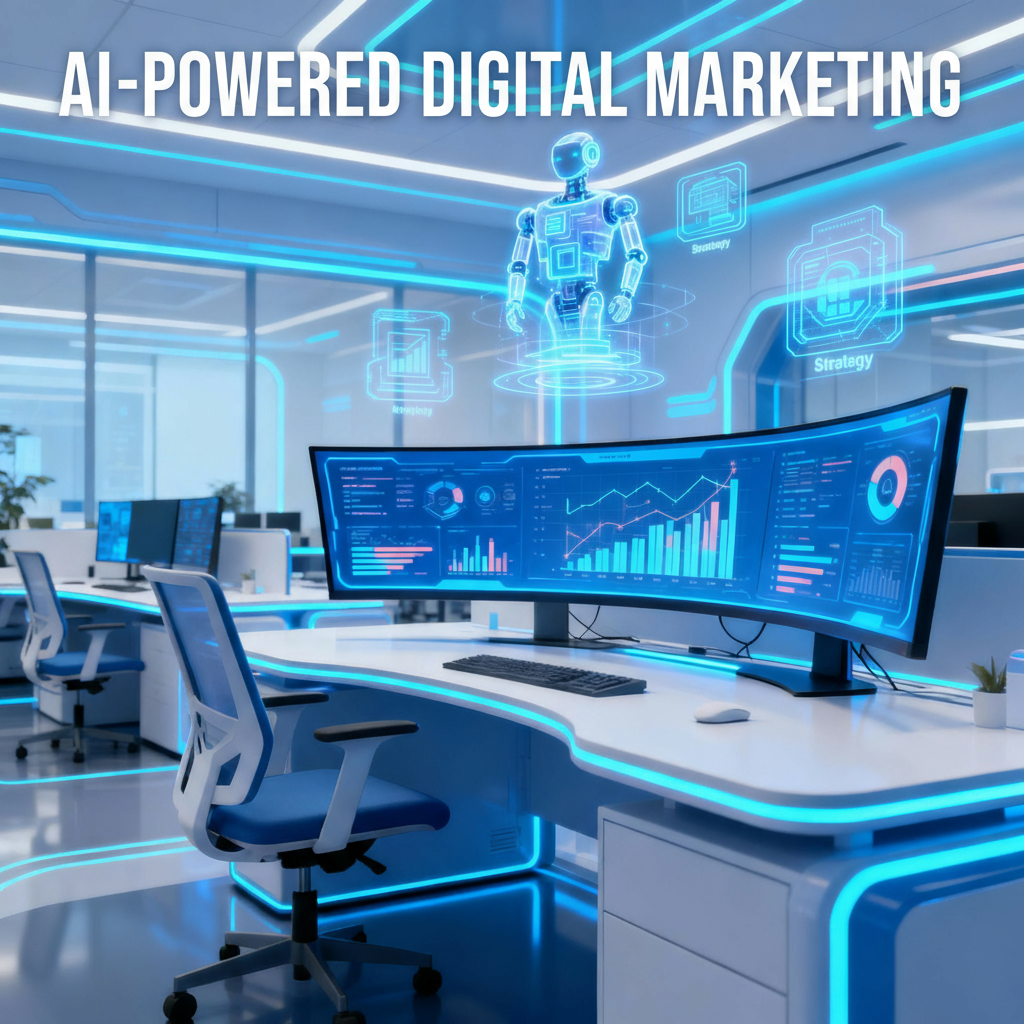
Artificial intelligence is transforming digital marketing by harnessing data-driven insights, automating repetitive tasks, and enabling marketers to create highly targeted campaigns that resonate with customers. AI's learning capabilities—powered by machine learning and natural language processing—allow businesses to analyze audiences, craft engaging content, and optimize strategies faster than ever before.
How AI Supercharges Marketing
AI-driven platforms are revolutionizing marketing operations across multiple dimensions:
Automation of Core Tasks
AI-driven platforms automate tasks like audience segmentation, content scheduling, and campaign optimization, saving time and resources. This automation allows marketing teams to focus on strategic initiatives rather than repetitive manual processes.
Predictive Consumer Insights
Machine learning models help predict consumer behavior and personalize messages, ensuring higher conversion rates and engagement. By analyzing historical data and behavioral patterns, AI can forecast which content will resonate with specific audience segments.
Advanced Analytics
Advanced analytics from AI marketing tools uncover valuable market trends and performance insights for rapid decision-making. These insights enable marketers to pivot strategies quickly based on real-time performance data.
Top Benefits for Marketers
Personalized Customer Experiences
AI tailors content and product recommendations to each customer, boosting satisfaction and loyalty. By analyzing individual preferences, browsing history, and purchase patterns, AI creates unique experiences that make customers feel understood and valued.
Better Targeting & ROI
By analyzing large datasets, AI helps marketers target the most promising leads and optimize ad spend. This precision targeting ensures marketing budgets are allocated to channels and audiences most likely to convert, maximizing return on investment.
Automated Content Creation
Generative AI tools produce blogs, social posts, and video content quickly for multichannel campaigns. These tools can create variations of content tailored to different platforms while maintaining brand voice and messaging consistency.
Smarter Insights & Predictions
AI platforms deliver real-time reporting and predictive analytics that help marketers pivot faster. These insights reveal emerging trends, campaign performance issues, and opportunities before they become apparent through traditional analysis methods.
Popular AI Tools in 2025
The AI marketing landscape has evolved with several standout tools leading the transformation:
Jasper AI
Specializing in content generation, Jasper AI excels at blog creation, data analytics, and insights. Its natural language capabilities enable marketers to produce high-quality content that aligns with brand voice and audience preferences.
HubSpot
HubSpot's AI-powered features enhance social media management and marketing automation through personalization, ad campaign optimization, and progress tracking. The platform integrates AI across its entire marketing suite.
Gumloop
Focused on automations and sentiment analysis, Gumloop aggregates product reviews and generates automated reports. This tool helps businesses understand customer sentiment at scale without manual analysis.
Surfer SEO
Surfer SEO provides intelligent content optimization through SEO analysis and recommendations. Its AI analyzes top-performing content and provides data-driven guidance for improving search rankings.
ChatGPT
Beyond general chatbot functionality, ChatGPT powers sophisticated e-commerce bots, lead generation systems, and personalized email campaigns. Its versatility makes it valuable across multiple marketing functions.
Implementation Strategies
Successfully integrating AI into your marketing strategy requires a thoughtful approach:
Start with Clear Objectives
Identify specific marketing challenges that AI can solve, such as improving conversion rates, reducing customer acquisition costs, or increasing engagement metrics. Clear objectives help measure AI implementation success.
Ensure Data Quality
AI systems require high-quality, clean data to deliver accurate insights. Invest in data collection and management processes that provide the foundation for effective AI-driven marketing.
Maintain Human Oversight
While AI automates many processes, human creativity and strategic thinking remain essential. Establish workflows that combine AI efficiency with human expertise for optimal results.
Test and Iterate
Implement AI tools in phases, testing their impact on specific campaigns before full deployment. Use A/B testing and performance metrics to refine AI-driven strategies over time.
The Future of AI in Marketing
As AI technology continues to evolve, we can expect even more sophisticated marketing capabilities:
- Hyper-personalization that adapts in real-time to user behavior
- Predictive customer journey mapping that anticipates needs
- Emotion AI that analyzes and responds to customer sentiment
- Voice and visual search optimization for emerging platforms
- Augmented reality experiences powered by AI recommendations
Conclusion
AI is streamlining how brands interact with customers, craft relevant messages, and measure campaign success—setting new benchmarks for growth in a competitive digital era. Adopting AI-powered tools now means faster, smarter marketing and scalable success for businesses of all sizes.
The transformation of digital marketing through AI is not just about technology—it's about creating more meaningful connections with customers. By leveraging AI's capabilities while maintaining human creativity and empathy, businesses can build marketing strategies that resonate deeply with their audience and drive sustainable growth in 2025 and beyond.